
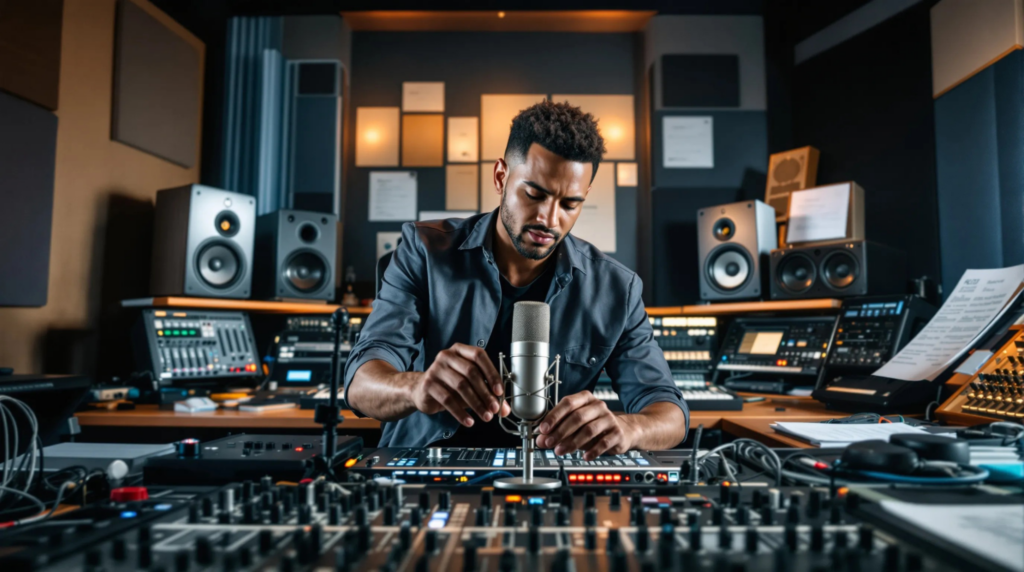
When it comes to building our dream studio, we often find ourselves in a battle between budget constraints and the desire for top-notch quality. Enter used studio gear, a treasure trove of possibilities that can unleash our creativity without very costly. Imagine decking out our recording space with high-end microphones and mixers all while keeping our wallets happy. Buckle up as we investigate into the ins and outs of used gear, offering laughs, insights, and tips that will turn our studio dreams into reality.
Why Choose Used Studio Gear?
First things first, let's chat about why opting for used studio gear can be a game-changer. We all know that music production costs can add up faster than we can say ‘studio time'. Buying used can easily save us a significant amount of cash, often without sacrificing sound quality.
Plus to saving money, buying used gear helps us get access to vintage equipment that simply isn't in production anymore. This can be the secret ingredient to giving our sound a unique flavor. Let's not forget, the vintage gears have stories of their own, each scratch and dent tells a tale of the music made before us.
So, why not join the ranks of budget-savvy musicians who are already raving about their stunning finds? With a little patience and some smart shopping, we can score gear that elevates our sound to new heights.
Types of Used Studio Gear Available
Now that we've established the benefits, let's explore the types of used studio gear we can find. The options are as varied as the sounds we want to create.
Microphones: Whether we're after dynamic, condenser, or ribbon microphones, there's a realm of choices waiting on used marketplaces. These can be the backbone of our recordings, so choosing wisely is crucial.
Audio Interfaces: Connecting our instruments and microphones to our computer is vital. Used audio interfaces from reputable brands can offer incredible features without the new price tag.
Mixers: From small compact mixers to larger ones with a plethora of channels, even a few scratches won't diminish their capability to shape our sound.
Studio Monitors: A pair of quality monitors can change the game in how we hear our mixes. Even used, they can provide clarity that makes all the difference during a session.
Effects Pedals: Want to add character to our sound? Used effects pedals can create those unique effects we all crave without costing an arm and a leg.
These categories are just a taste: the real fun lies in the hunt for what fits our specific needs.
Tips for Buying Used Studio Gear
Ready to jump into the world of used gear? Here are some tips to ensure we make the best choices:
Research: Before making any purchase, let's do our assignments. Understanding the gear's original price, features, and current market value will help us determine if we're getting a good deal.
Inspect the Gear: If possible, check out the gear in person. Look for any signs of wear and tear. Ask about its history and why it's being sold.
Trustworthy Sellers: Buying from reputable sellers, whether online or local shops, can save us from headaches later. Reviews and ratings can guide us to trustworthy sources.
Warranty Considerations: Some used gear still has warranties, which can provide peace of mind. Always inquire about this when buying.
Test it Out: If the seller allows, let's test the equipment in person. Hearing is believing, especially when it comes to audio gear.
Following these tips can help us dig up some real gems.
Potential Risks and How to Mitigate Them
While the prospect of saving big is exciting, we cannot overlook the risks associated with buying used studio gear. Here's how to navigate these waters without capsizing:
No Returns: Many used purchases are final. To avoid buyer's remorse, let's focus on sellers with reasonable return policies.'
Hidden Defects: Sometimes a shiny exterior hides unforeseen issues. Careful inspection can minimize this risk, but asking detailed questions about the item's history is just as vital.
Compatibility: Not all tech plays nice together. Before purchasing, let's ensure the gear is compatible with our existing equipment.
Maintenance History: If possible, inquire about how well the gear has been maintained. Older gear that has been looked after may serve us well for years to come.
Maintaining Used Studio Gear for Longevity
Once we have our used gear set up, it's essential to take steps to keep it in great shape. Maintenance is key to extending the life of our new purchases, so let's keep these tips in mind:
Proper Cleaning: Dust and grime can build up over time. Regular cleaning of our microphones, mixers, and keyboards means they'll keep performing optimally.
Safe Storage: When not in use, let's store our gear in a dry, cool place. Exposure to extreme temperatures or humidity can lead to costly damage.
Routine Checks: Make it a habit to check our equipment periodically. Keeping an eye out for wear can help us address issues before they escalate.